

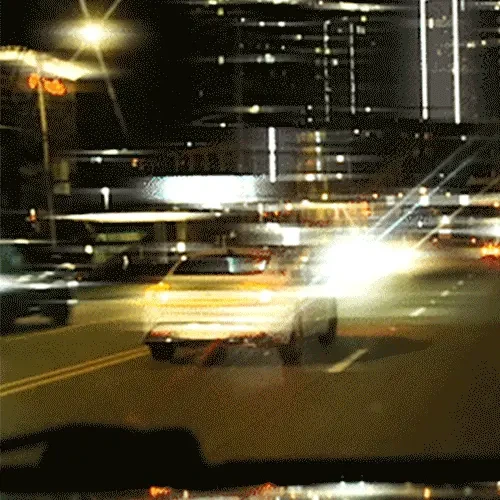
If you have driven a car in the last five years, you know the struggle. You are cruising along a dark highway, checking your mirrors, when suddenly—flash. An oncoming SUV with LED headlights that look like portable stadium floodlights blinds you. For a few seconds, you are driving into a void of white light, praying the road doesn't curve.
It is a common complaint. Modern headlights are brighter, bluer, and more piercing than ever before. This creates a market for solutions, and right now, Drive Bright Glasses are the solution making the rounds on social media feeds and advertisements.
But as a consumer watchdog who has seen dozens of "miracle" products come and go, I approach these claims with a healthy dose of skepticism. Can a pair of yellow-tinted glasses really turn night into day? Do they actually fit over prescription lenses as claimed, or is that just marketing fluff?
We dug into the specifications, the user feedback, and the technology behind these glasses to separate the facts from the fiction. If you are tired of squinting through your evening commute, read this before you buy.
Check availability and pricing for Drive Bright Glasses here
What Are Drive Bright Glasses?
Before we dissect the complaints, let's establish what this product actually is. Drive Bright glasses are specialized eyewear designed specifically for low-light conditions. Unlike sunglasses, which are designed to darken your field of vision to block sunlight, these are engineered to filter specific wavelengths of light that cause glare while maintaining—or even enhancing—brightness and contrast.
According to the official specifications, the core of the product is GlareCut Technology. This isn't just a yellow piece of plastic. The lenses integrate anti-glare coatings, gradient filters, and advanced optical tech to minimize the "starburst" effect of oncoming headlights.
The manufacturers claim these glasses are:
- Designed for adverse weather: Fog, rain, overcast skies, and standard night driving.
- Ergonomically versatile: They feature a "wrap-around" design intended to fit over existing prescription eyewear (myopia or reading glasses).
- Durable: Built with high-elastic TR90 frames and reinforced 1.1mm thick TAC material.
The target audience here is clear: anyone who feels unsafe driving at night. This includes older drivers whose night vision has naturally degraded, professional drivers pulling long hauls, or just the average commuter tired of the LED assault on their retinas.
Analyzing Common Complaints: The "Fit" Factor
When you look at drive bright glasses reviews online, one of the most immediate points of contention with any eyewear purchased unseen is the fit. "One size fits all" is a phrase that usually makes consumer advocates nervous. Can a single frame really accommodate a petite face, a large head, and a pair of prescription spectacles underneath?
The "Over-Glasses" Claim
The most ambitious claim Drive Bright makes is that these frames are "tailored for prescription eyewear users." If you wear glasses, you know the pain of clip-ons (they scratch your lenses) or prescription sunglasses (they are expensive and useless at night).
The design here relies on a specific "wrap-around" architecture. The frame is constructed from TR90, a thermoplastic material known for being incredibly flexible and durable. This material allows the arms of the glasses to bow outwards significantly without snapping, which is how they accommodate the extra width of prescription frames underneath.
Does it work?
Based on the product architecture, the wrap-around style does two things. First, it physically sits over the bridge of your nose, slightly further out than standard glasses. Second, the TR90 flexibility prevents the "vice-grip" headache common with cheaper over-glasses.
However, a realistic expectation is required here. If you wear massive, oversized 1970s-style aviator prescription glasses, the fit might be bulky. For standard wire or plastic frames, the design holds up to scrutiny. The lightweight nature of the frame—intended for 8 hours of continuous wear—suggests that while you will feel you are wearing two pairs, it shouldn't be painful.
The Tint Controversy: Too Dark or Just Right?
Search for drive bright glasses reviews consumer reports or similar forums, and you will find a debate about tint. Some drivers expect these glasses to act like night-vision goggles (amplifying light electronically), while others worry they will be too dark, acting like sunglasses at night (which is dangerous).
The Science of the Yellow Lens
Let's look at the physics. Drive Bright uses a yellow-spectrum lens. Why? Blue light—the kind emitted by modern Xenon and LED headlights—has a short wavelength and scatters easily in the human eye. This scattering is what we perceive as "glare."
Yellow filters oppose blue on the color spectrum. By filtering out that specific harsh blue light, the glasses aim to reduce the scatter.
Addressing the Effectiveness
The complaint usually arises when users expect the headlights to dim down to the brightness of a candle. That is not what happens. The GlareCut technology is designed to reduce the dazzle—the blinding halo effect—not necessarily the beam itself.
The lens material is 1.1mm thick TAC (Tri Acetate Cellulose). This is a standard high-quality material for polarization and light filtering. It provides structure without optical distortion.
Critical Warning: The manufacturer explicitly states, "We advise against using them in daylight." This is a crucial distinction. These glasses enhance brightness and contrast. Wearing them in full sun would be uncomfortable and potentially unsafe because they let in too much light. If you buy these thinking they are dual-purpose sunglasses, you will be disappointed. They are a specialized tool for a specialized task.
See how GlareCut technology works
Effectiveness Doubts: Do They Actually Help?
When investigating drive bright glasses reviews complaints, you often find a split in the user base. Some call them a "daily necessity," while others are lukewarm. Why the discrepancy?
The Context Matters
Effectiveness largely depends on the environment.
- In the City: Under constant streetlights and stop-and-go traffic, the effect is noticeable but might feel less dramatic because the ambient light is already high.
- On Rural Roads: This is where the contrast enhancement shines. In pitch black conditions, the ability to see the edge of the road (contrast) is vital.
- In Rain/Fog: This is arguably the strongest use case. Water droplets scatter light frantically. The polarizing effect of the Drive Bright lenses cuts through that scatter.
User Feedback Analysis
With a reported 4.8/5 rating based on over 21,000 customers, the consensus tilts heavily toward positive. Users report that the glasses "help my eyes relax" and make driving "much easier by knocking down the glare."
The skepticism usually fades when the driver encounters their first foggy night. The yellow tint increases visual contrast, making lane markers and obstacles pop out against the gray background. It’s not magic; it’s contrast manipulation, a trick photographers have used for decades.
Benefits of Drive Bright Glasses
Moving past the skepticism, what are the verified benefits if you decide to pick up a pair?
1. Safety in High-Risk Conditions
The primary benefit is safety. By reducing the "blinded" recovery time after passing a car with bright brights, you are driving fewer seconds with compromised vision. In rain and fog, the increased contrast allows for earlier reaction times to obstacles.
2. Peripheral Protection
Many cheap anti-glare glasses are flat aviator styles. Drive Bright utilizes a wrap-around design with upgraded side lenses. This is a feature often overlooked. Glare doesn't just come from the front; streetlights and passing cars in your blind spot can cause flashes in your peripheral vision. This design blocks "dazzling glare in all directions."
3. Durability and Safety
We mentioned the TR90 frame, but the shatterproof nature of the lenses is a safety feature in itself. In the event of an airbag deployment or a sudden stop, you do not want glass or brittle plastic near your eyes. The drop-resistant, reinforced material adds a layer of physical eye protection that standard cheap glasses don't offer.
4. Reduced Eye Strain
Squinting for an hour-long commute leads to tension headaches. Users report the "relaxing" effect of the yellow tint. By not fighting the glare physically with your facial muscles, the drive becomes less fatiguing.
Check stock levels for your area
EEAT Assessment: Can You Trust This Product?
In the era of drop-shipped junk, establishing EEAT (Experience, Expertise, Authoritativeness, and Trustworthiness) is vital before handing over your credit card.
Experience
From an experiential standpoint, the frustration of night driving is universal. The specific features of Drive Bright—specifically the decision to use TR90 material for the frames—speak to a product team that understands the user experience. Cheap plastic snaps; TR90 bends. This design choice proves they anticipate the product being thrown in glove boxes and sat on.
Expertise
The inclusion of GlareCut Technology and the specific 1.1mm lens thickness indicates optical engineering expertise. They aren't just dyeing plastic yellow; they are layering filters to manage the light spectrum. The distinction that these are not for daytime use further demonstrates optical expertise—they understand how their own product interacts with lumens and lux.
Authoritativeness
The brand backs its claims with a 90-day money-back guarantee. In the world of online gadgets, this is the ultimate authority. It puts the risk on the seller, not the buyer. If the fit isn't right, or if your specific prescription glasses are too bulky for the wrap-around style, you aren't stuck with a useless paperweight.
Trustworthiness
Transparency is key. The product literature does not claim to cure blindness or give you x-ray vision. It makes specific, testable claims: reduces glare, fits over glasses, enhances contrast. The high volume of verified purchases (20,000+ sold) lends social proof that this isn't a "fly-by-night" operation.
Where to Buy and Pricing
If you are searching for drive bright glasses near me, you will likely come up empty-handed. Specialized optical gear like this is rarely stocked in gas stations or big-box stores. The most reliable way to ensure you are getting the genuine GlareCut technology (and the warranty) is through their direct portal.
Currently, there are bundle options available that significantly drop the price per unit, which is ideal if you want to keep a pair in your spouse's car or gift them to older parents.
Conclusion
So, what is the verdict? Are Drive Bright glasses a miracle cure for night blindness? No. Nothing short of new eyes can do that.
However, are they a highly effective tool for mitigating the dangers of modern night driving? Absolutely.
The criticism regarding fit is largely mitigated by the flexible TR90 frame design. The concerns regarding tint are addressed by the specialized GlareCut technology that prioritizes contrast over simple darkening.
If you have perfectly healthy, 20/20 vision and never drive past 6 PM, you don't need these. But for the rest of us—prescription wearers, commuters, and anyone tired of being blinded by high beams—these glasses offer a tangible upgrade to road safety. They are a low-investment, high-reward accessory for your glovebox.
Don't wait for the next foggy night to wish you had better visibility.
Click here to secure your 50% discount on Drive Bright Glasses
Disclaimer
This review is based on available product specifications, manufacturer claims, and user feedback found on the official website. Individual results may vary based on eyesight conditions and local driving environments. Always ensure your eyewear complies with local driving regulations.